

Marine – Sea Freight Logistics in Pakistan
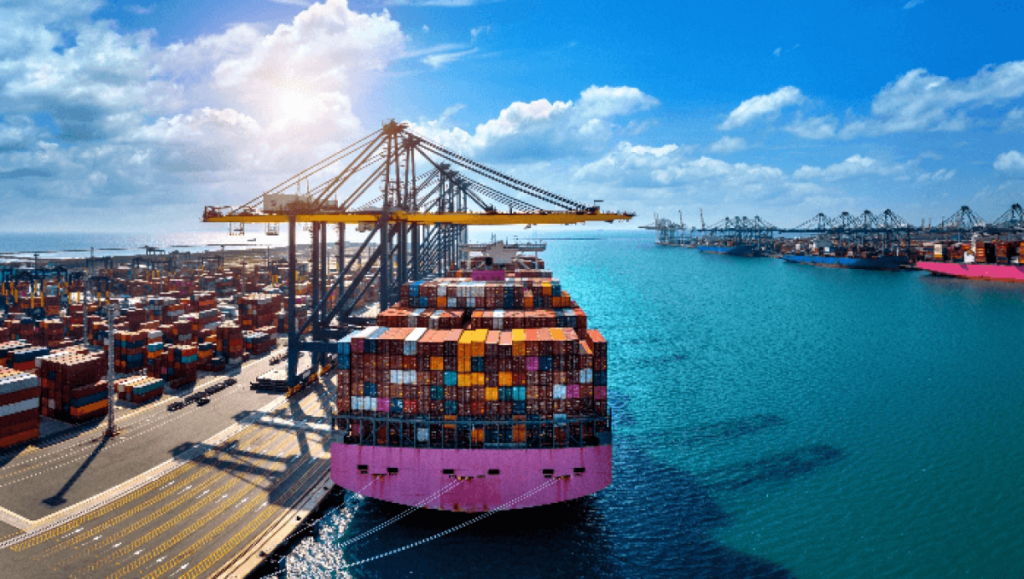
Pakistan’s modern container terminals (KICT, PICT, SAPT, QICT, KPT) and conventional wharves support cargo handling. Dry ports in Lahore, Karachi, Quetta, Peshawar, Multan, Rawalpindi, Sialkot, and Faisalabad connect inland areas to seaports efficiently through road and rail.
MOTORWAYS – M2 ( LAHORE TO ISLAMABAD)
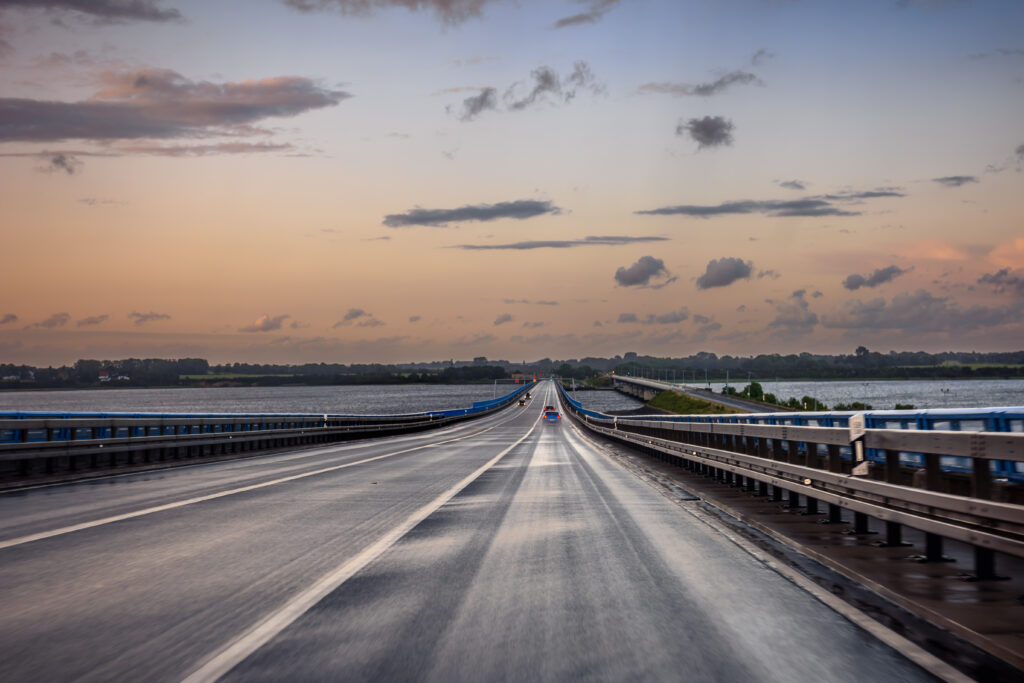
M-2 Motorway, planned in 1991 and inaugurated in 1997, connects major cities. Developed with Daewoo Group financing, it was upgraded and resurfaced, featuring modern infrastructure, bridges, flyovers, and surveillance systems for safe, efficient cargo and passenger travel.
Road Transportation, Motorways in Pakistan
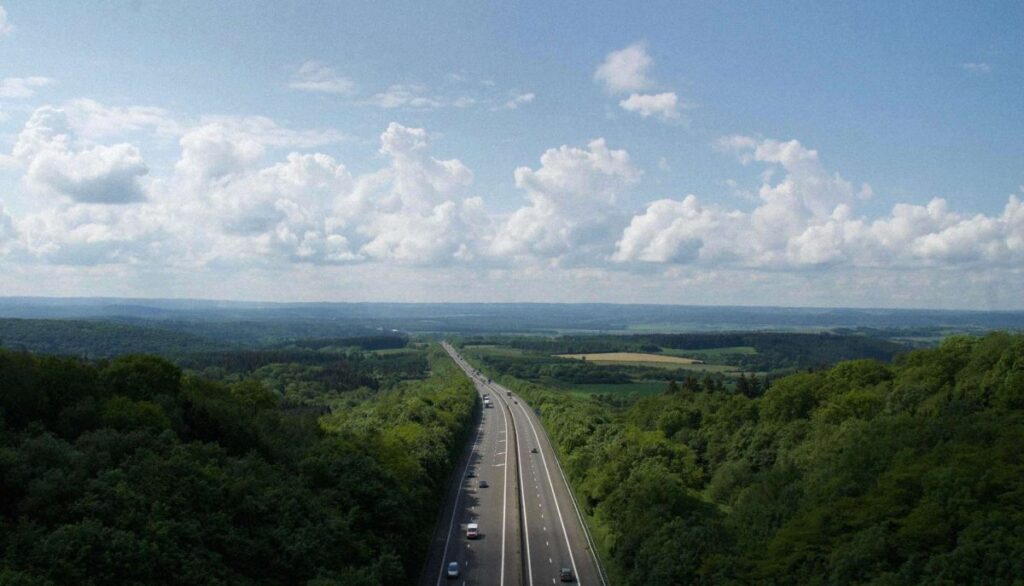
The Motorway Network in Pakistan connects major cities and economic hubs, reducing travel time for cargo and passengers. Part of C-PACK, it links ports, borders, industrial zones, SEZs, and enhances national and international trade and logistics operations.
Facility of Cargo Handling at Pakistan
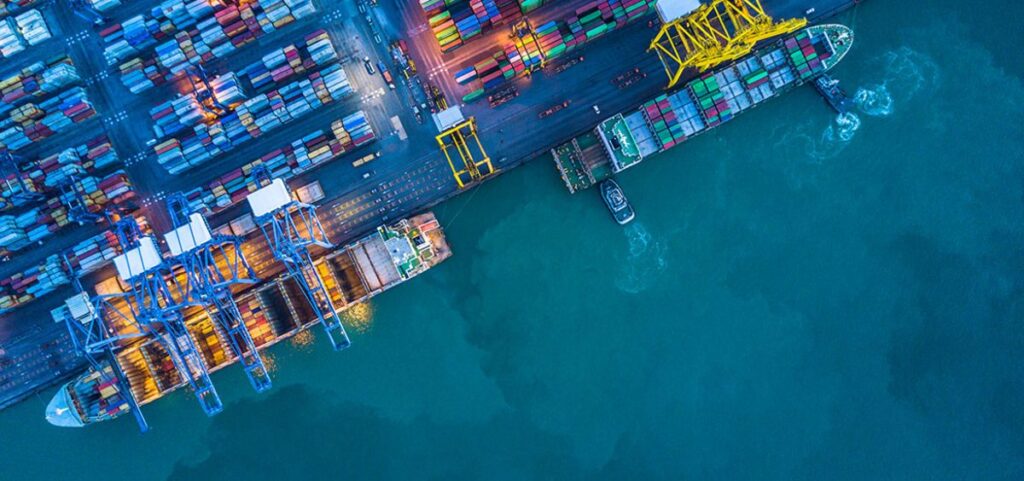
Pakistan’s logistics cover air, rail, road, and warehousing. Functional airports, railways, and highways connect major cities, industrial zones, and ports. Warehouses, distribution centers, and bonded areas support supply chain, cargo handling, and efficient transport management.
Logistics Infrastructure
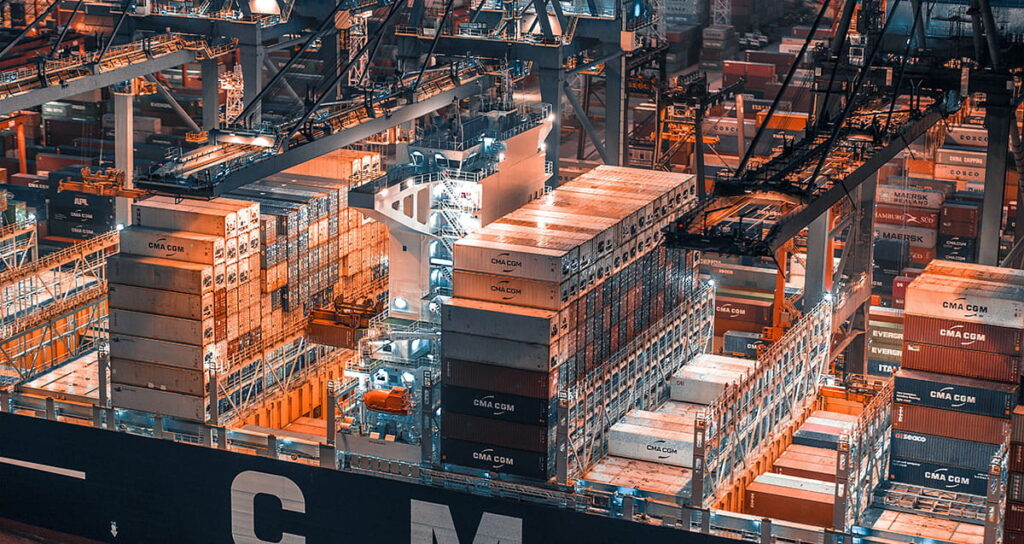
Logistics manages the movement of goods from origin to destination, including storage, transport, packaging, and inventory. International logistics ensures cross-border delivery efficiently using advanced technology, reducing costs, improving trade, employment, and GDP growth.
Allama Iqball Int’l Airport, Lahore (AIIAP)
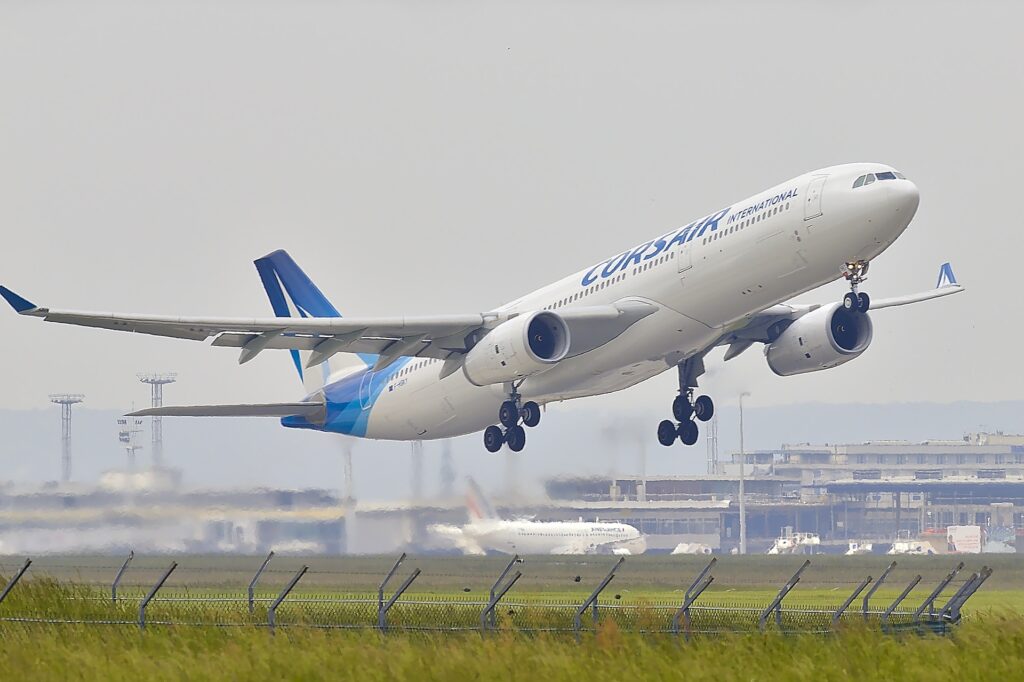
AIIAP Lahore, spread over 1364 acres, handles passengers, cargo, and Boeing 747s. It features new and old terminals, lounges, 2 runways, 22 parking slots, duty-free shops, restaurants, cold storage, transport services, and full passenger and cargo facilities.
Port Qasim, Pakistan
Port Qasim Karachi, established in 1973, is a major industrial and logistics hub with 18 berths handling containers, LNG, coal, and general cargo. Spanning 15,474 acres, it serves 400+ industrial units, contributes to 51% of sea trade, and supports national economic growth.